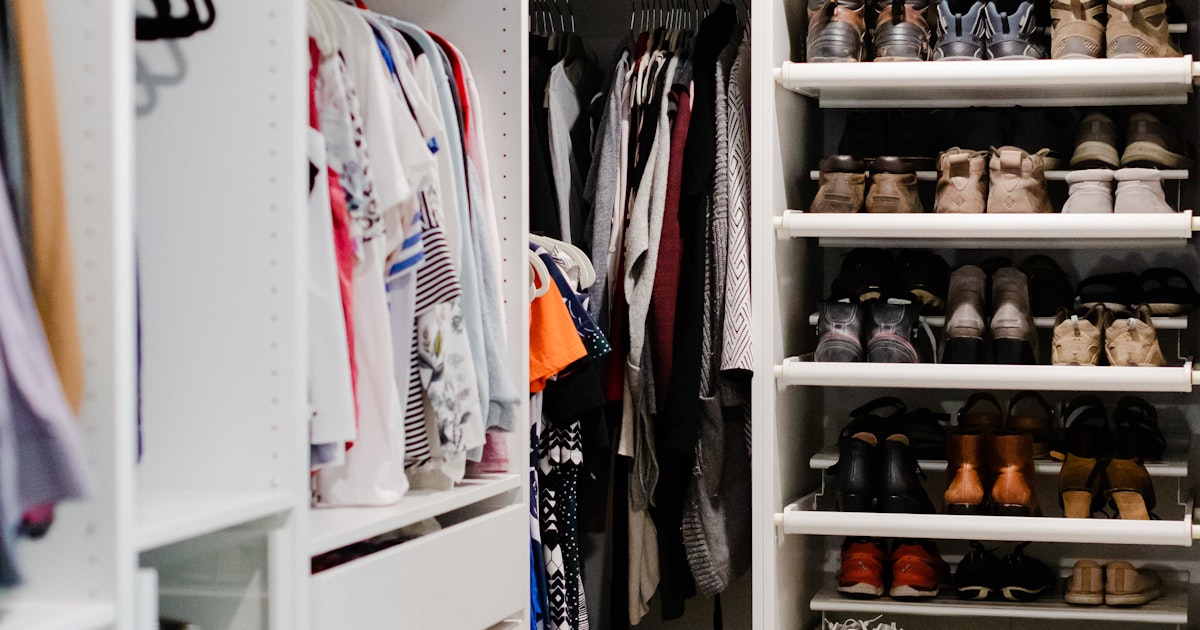
Full Closet, Nothing to Wear? Here's How to Fix Your Wardrobe for Good
If you regularly overspend on clothes and still feel underdressed, your problem isn't budget — it's wardrobe structure. Here's how to fix it.
Chief Editor
A full closet that delivers nothing to wear is a structural problem, not a budget problem. The fix is architecture, not shopping.
What brought you here today?
Full Closet, Nothing to Wear? Here's How to Fix Your Wardrobe for Good
You own more clothes than you've ever owned in your life, and you still find yourself staring into an overcrowded closet some mornings convinced you have nothing to wear. If that sounds familiar, you're not alone — and the problem almost certainly isn't a lack of clothes.
The real issue is wardrobe architecture. A closet full of isolated pieces that don't work together is functionally less useful than twenty well-chosen items that combine freely into dozens of outfits. Most overspending on fashion isn't caused by needing more clothes — it's caused by buying reactively, filling gaps without a plan, and ending up with a collection rather than a system.
This guide walks you through diagnosing the root causes of "full closet, nothing to wear" syndrome, rebuilding your wardrobe around a structure that actually works for your life, and the specific wardrobe systems that tend to solve the problem most reliably. The goal isn't minimalism for its own sake — it's intentionality, so every dollar you spend going forward does real work.
Who This Is For
This article is for anyone who spends a reasonable or significant amount on clothing but still regularly feels underdressed, unprepared, or uninspired when getting dressed. It's especially relevant for people who:
- Buy things that seem great in the store but rarely get worn at home
- Own duplicates in the same category while being missing pieces in others
- Feel overwhelmed by a bursting closet rather than empowered by it
- Cycle through the same four or five outfits repeatedly despite having dozens of options
You don't need a fashion background to apply this. You need a framework and a willingness to be honest about how you actually live.
What to Look For When Rebuilding Your Wardrobe
The Versatility Ratio
The single most useful metric for evaluating a wardrobe piece before buying it is versatility: how many other items you already own can it be combined with? A useful rule of thumb is that any new piece should work with at least three items already in your closet. Pieces that only work with one or two specific items tend to sit unworn. Tracking this ratio before purchasing rather than after is the foundational habit change that transforms wardrobe spending.
Lifestyle Calibration
Most wardrobes fail because they're built for an imagined life rather than the actual one. If you work from home four days a week but own twelve dress shirts, your wardrobe is miscalibrated. Spend ten minutes writing down how you actually spend your time across a typical week — work, social, active, home — and assign rough percentages. Your wardrobe should roughly mirror those percentages. Most people find that their current wardrobe is dramatically over-weighted toward one lifestyle segment.
Color and Tone Architecture
One of the most common structural problems in cluttered wardrobes is inconsistent color palette. When you don't have a working color palette, pieces can't combine — every top becomes its own isolated island. A functional wardrobe typically has two or three neutrals (black, white, navy, grey, camel, or cream) that form the backbone, one or two accent colors that appear repeatedly, and a very limited number of statement pieces. If your wardrobe contains twelve competing accent colors, combination becomes mathematically difficult.
Gap Analysis vs. Impulse Buying
Most wardrobe overspending comes from buying pieces that appeal in the moment rather than pieces that fill identified structural gaps. A gap analysis means asking specific questions: What occasions do I consistently struggle to dress for? What categories am I perpetually borrowing from others for? What pieces do I reach for but not own? Buying from a gap list rather than from impulse dramatically improves your wardrobe's functionality per dollar spent.
Fabric and Care Compatibility
Wardrobe friction isn't always psychological — sometimes it's logistical. If you own a lot of "dry clean only" or "hand wash" pieces and you're not someone who enjoys that maintenance rhythm, you'll unconsciously avoid those garments. Your wardrobe works best when the care requirements of most pieces match your real-life maintenance habits. When rebuilding, favor fabrics you'll actually maintain.
Our Top Picks: Wardrobe System Types
The following wardrobe frameworks are generic system types — not brands or products — designed to solve the "full closet, nothing to wear" problem for different lifestyle profiles. Think of these as structural approaches you can adopt, adapt, or combine.
The Minimalist Core Kit Best for: People who prefer simplicity and get decision fatigue from too many options
- A strictly curated 30–40 piece total wardrobe, all pieces in a unified neutral palette
- Emphasizes long-lasting, high-quality basics over trend-driven pieces
- Every item pairs with at least five others — outfit generation is nearly automatic
Drawback: Requires a significant initial investment if starting from scratch; very little room for fashion experimentation. Starting investment: Moderate to high upfront, low ongoing spend
The Workweek Warrior Set Best for: Office-based professionals who need daily outfit variety without thought overhead
- Built around five interchangeable "complete outfits" that can be mixed and matched into 20+ combinations
- Anchored in versatile professional pieces: tailored trousers, blazers, simple blouses or shirts
- Includes a clear casual-Friday extension within the same color architecture
Drawback: Doesn't address weekend or social dressing — requires a complementary off-duty component. Starting investment: Moderate; focused on quality over quantity
The Weekend Casual System Best for: People whose social and leisure lives account for the majority of their dressing needs
- Organized around elevated casualwear: quality denim, versatile knitwear, relaxed blazers, and clean sneakers
- Emphasis on pieces that work for brunch, travel, and evenings out without formality
- Deliberately avoids highly occasion-specific items
Drawback: Not suitable as a standalone system if you have any professional dressing requirements. Starting investment: Low to moderate; many pieces available at mid-market price points
The Smart Casual Builder Best for: People who navigate both professional and social environments most days
- Bridges office and off-duty dressing through intentionally "transitional" pieces
- Key pieces include chinos, clean leather or leather-alternative footwear, unstructured blazers, and elevated basics
- Designed for people who often go from desk to dinner without changing
Drawback: Requires more careful piece selection; not every item in this style category actually bridges the gap well. Starting investment: Moderate; quality of key transitional pieces matters more than quantity
The All-Season Layering Kit Best for: People in variable-climate regions or frequent travelers
- Built around lightweight base layers, versatile mid-layers, and one or two strong outerwear pieces
- Every layer should work independently and combine with the others
- Avoids season-specific purchases that sit unused for months
Drawback: Can feel repetitive if you enjoy seasonal wardrobe variety; investment in good outerwear is essential. Starting investment: Moderate to high for quality outerwear anchors; rest of system is affordable
The Color-Harmony Capsule Best for: People who want their wardrobe to feel cohesive and "put together" without effort
- Structured around a deliberate three- or four-color palette chosen to flatter the wearer's skin tone
- All new purchases evaluated against the existing palette before buying
- Visual coherence means even simple outfits look intentional
Drawback: Requires an initial palette-definition step that some people find overwhelming without guidance. Starting investment: Variable; system works at any budget level once the palette is established
The Occasion-Ready Collection Best for: People with highly varied social calendars — events, weddings, formal occasions, travel
- Anchored around three or four complete "occasion" outfits rather than separates
- Core wardrobe fills everyday needs; occasion pieces are curated specifically and rotated strategically
- Includes at least one versatile formal option that works across multiple event types
Drawback: Occasion pieces are harder to amortize across daily wear; investment per wear can be high. Starting investment: Moderate to high for occasion anchors; a deliberate approach is essential to avoid redundant purchases
Comparison Table
| System Type | Lifestyle Fit | Versatility | Investment Level | Learning Curve | Best Single Benefit |
|---|---|---|---|---|---|
| Minimalist Core Kit | Any | Very High | High upfront | Low | Total decision simplicity |
| Workweek Warrior Set | Professional | High | Moderate | Low | Effortless work dressing |
| Weekend Casual System | Social/leisure | Moderate-High | Low-Moderate | Very Low | Relaxed day-to-night range |
| Smart Casual Builder | Mixed daily life | High | Moderate | Moderate | One wardrobe for most situations |
| All-Season Layering Kit | Travelers/varied climates | High | Moderate-High | Moderate | Climate flexibility |
| Color-Harmony Capsule | Any | High | Variable | Moderate | Visual coherence |
| Occasion-Ready Collection | Active social life | Moderate | Moderate-High | Low | Never underdressed for events |
Frequently Asked Questions
A: Research and practical experience suggest that most people can meet the vast majority of their dressing needs with 30–50 well-chosen pieces, including shoes and outerwear. Most wardrobes that feel "empty" despite being full contain 80–150+ pieces — the problem is curation, not quantity.
A: The most practical approach is a "holding box" method rather than immediate donation. Remove everything you're uncertain about, box it up, and set a 60-day reminder. If you haven't actively missed or reached for any of it in 60 days, donate without hesitation. This removes the anxiety of permanent decisions while still forcing a separation from clutter.
A: Start with your most-needed everyday pieces — the items you currently reach for repeatedly. Fill those categories first with higher-quality choices. Then add versatility before variety: pieces that multiply your existing options should come before new standalone items. Occasion and seasonal pieces should come last.
A: The most effective behavioral intervention is a mandatory waiting period: 48 hours minimum before purchasing anything that wasn't on a pre-existing gap list. This alone eliminates the vast majority of impulse purchases. Combine it with a simple running gap list on your phone so that when you do need something, you buy with intention.
A: Trend-driven pieces are best treated as temporary additions rather than foundation investments. Build your core wardrobe in classified pieces with multi-year relevance, then if budget allows, add one or two seasonal accent pieces per year. This keeps your wardrobe feeling current without requiring constant replacement.
Final Verdict
A full closet that delivers nothing to wear is almost always a structural problem, not a budget problem. The fix doesn't require spending more money — it requires spending more intentionally, organized around a system that reflects how you actually live.
Choose one of the wardrobe system frameworks above that best matches your lifestyle, do a genuine gap analysis of what you currently own, and commit to buying from the gap list rather than from impulse. Within three to six months, most people report that getting dressed becomes genuinely easier, and wardrobe spending drops even as wardrobe satisfaction rises.
The goal is a closet you can open with confidence rather than one you avoid thinking about. That's a solvable problem.
Explore our full fashion and wardrobe guides at nanozons.com for more curated recommendations on building a wardrobe that works harder for you.
Learn how we evaluate products in this category: Our Fashion Testing Methodology
About the author
Chief Editor
The Nanozon Insights team researches, tests, and reviews products across every category to help you make smarter buying decisions.