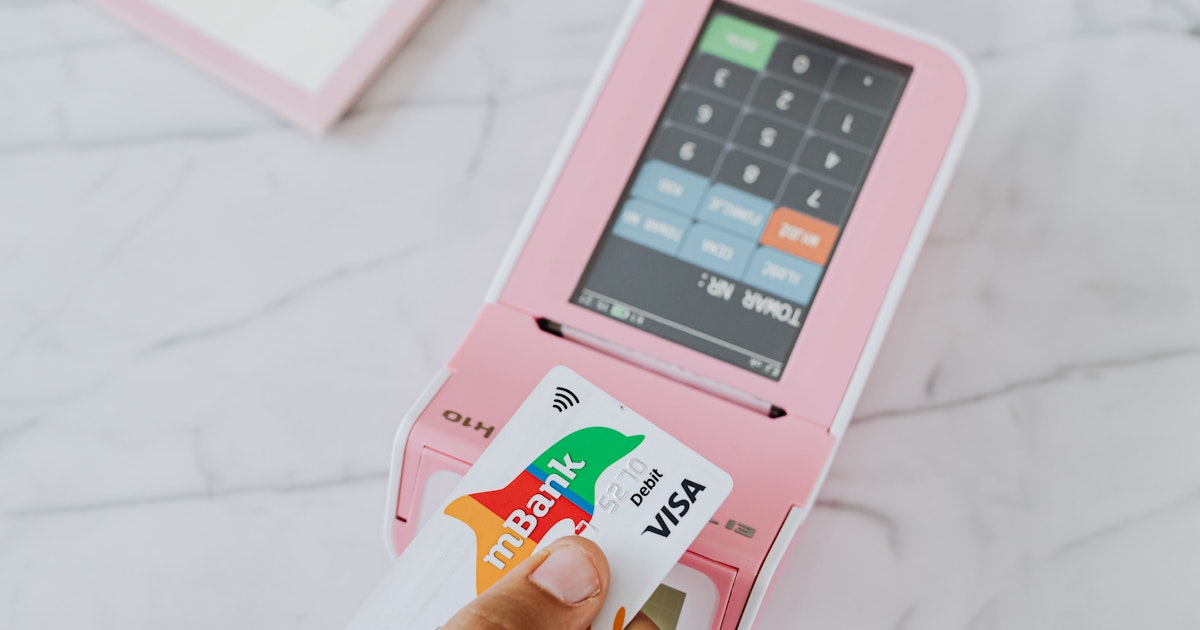
Best 0% APR Balance Transfer Credit Cards to Pay Off Debt Faster
Struggling with high-interest credit card debt? Discover the best 0% APR balance transfer credit cards to help you pay off debt faster and save money on interest.
Chief Editor
Debt doesn’t take vacations, but a 0% APR card gives it an unpaid internship — all work, no interest.
What brought you here today?
Best 0% APR Balance Transfer Credit Cards to Pay Off Debt Faster
If you're carrying a balance on a high-interest credit card, you already know how crushing interest charges can be. You make a payment, feel like you're making progress, and then your next statement arrives — and a significant chunk of what you paid has been swallowed up by interest. It can feel like running on a treadmill.
A 0% APR balance transfer credit card is one of the most effective tools available for breaking that cycle. By moving your existing debt to a card with no interest for a promotional period, every dollar you pay goes directly toward reducing your principal — not lining your lender's pockets. The result? You can pay off your debt noticeably faster than if you stayed put.
This guide walks you through how balance transfer cards work, what to look for when comparing offers, and our top picks across different borrower profiles. Whether you're carrying a few hundred dollars or several thousand, there's likely a card on this list worth your attention.
Who This Guide Is For
This article is written for anyone who is currently carrying a balance on one or more credit cards and wants a smarter way to manage and eliminate that debt. You don't have to be in a financial crisis to benefit from a balance transfer — even people who are financially stable use this strategy to reduce the total interest they pay over time.
That said, this approach works best if you meet a few basic conditions:
- You have fair to good credit (typically a score around 670 or higher, though some cards require better credit)
- You have a realistic repayment plan — a 0% period won't help if you can't pay down a meaningful portion of the balance before the promotional rate expires
- You're committed to not adding new debt to the card while you're paying off the transferred balance
If that sounds like you, read on. A well-chosen balance transfer card could save you a meaningful amount of money and shorten your debt payoff timeline significantly.
What to Look For in a Balance Transfer Credit Card
Not all balance transfer offers are created equal. Here are the key factors to evaluate before applying.
1. Length of the 0% Introductory Period
This is the most important number. Promotional periods typically range from 12 to 21 months, though the exact offer depends on the card and your creditworthiness. The longer the window, the more time you have to pay down your balance without accumulating interest. Do the math before applying: divide your total balance by the number of months in the promotional period to see what monthly payment you'd need to clear it in time.
2. Balance Transfer Fee
Most cards charge a transfer fee of 3% to 5% of the amount transferred. On a $5,000 balance, that's $150 to $250 — which is still far less than months of high-interest charges. However, a small number of cards offer no transfer fee, making them worth considering if your balance is large.
3. Regular APR After the Promotional Period
Once the 0% period ends, a standard interest rate kicks in. If you haven't fully paid off your balance by then, you'll want to know what rate you're facing. These rates vary widely, so check the card's terms carefully.
4. Credit Score Requirements
Balance transfer cards with the best terms tend to require good to excellent credit. If your score has taken a hit, you may still find options, but the promotional period may be shorter or the fees higher. Know where your credit stands before applying.
5. Minimum Transfer Amounts and Eligible Debt
Most cards allow you to transfer balances from other credit cards but not from cards issued by the same bank. Some cards also have minimum or maximum transfer limits. Confirm that the debt you want to move is eligible before applying.
6. Additional Perks and Features
Some balance transfer cards also offer rewards on new purchases, purchase protections, or no annual fee. These add-ons aren't the main reason to choose a card, but they can make an already useful tool even more worthwhile if you plan to use the card after your balance is paid off.
Our Top Picks for Balance Transfer Credit Cards
Here are five strong options across a range of borrower needs. Note that specific rates and terms can vary by applicant — always review the current offer on the issuer's site before applying.
1. ClearBalance Platinum Card
Best for: Longest 0% intro period available
The ClearBalance Platinum is built specifically for people who need maximum time to pay off debt. Its promotional period is among the longest currently available, giving disciplined borrowers the runway they need to eliminate large balances.
- Intro 0% period: Among the longest available (typically 18–21 months)
- Balance transfer fee: Industry-standard range (typically 3%–5%)
- No annual fee
- Drawback: The regular APR that kicks in after the intro period tends to be on the higher end, so completing your payoff before the period ends is important
Approximate cost: No annual fee; transfer fee applies
2. DebtFree Advantage Card
Best for: People who also want rewards on everyday spending
The DebtFree Advantage Card strikes a solid balance between a competitive 0% promotional window and a modest cash-back rewards program. If you need to carry a card for regular purchases while paying off transferred debt, this one offers some upside on both fronts.
- Intro 0% period: Solid mid-range promotional window (typically 15–18 months)
- Cash back: A modest percentage on common spending categories
- No annual fee
- Drawback: The balance transfer fee is in the standard range, and rewards rates are not the highest available
Approximate cost: No annual fee; standard transfer fee
3. FlexPay Zero Card
Best for: Borrowers with excellent credit seeking low post-promo rates
The FlexPay Zero is a strong choice for borrowers with excellent credit who are also concerned about what happens after the promotional period. While its intro period is competitive rather than the longest available, its ongoing interest rate is comparatively reasonable, reducing risk if you don't fully pay off the balance in time.
- Intro 0% period: Competitive (typically 15–18 months)
- Post-promo APR: Generally lower than average
- No annual fee
- Drawback: Approval typically requires strong credit; those with fair credit may not qualify for the best terms
Approximate cost: No annual fee; transfer fee varies
4. TransferEdge Premier Card
Best for: Large balances where the transfer fee matters most
For borrowers moving a significant balance, even a 1% difference in the transfer fee makes a meaningful difference. The TransferEdge Premier Card periodically offers reduced or waived transfer fees for balances moved within a limited window after account opening, making it worth timing carefully.
- Intro 0% period: Strong (typically 15–18 months)
- Transfer fee: May offer promotional reduced-fee windows
- No annual fee
- Drawback: Fee promotions are time-sensitive and not always available; check current terms before applying
Approximate cost: No annual fee; transfer fee may be reduced during promotional window
5. SimpleFi Balance Card
Best for: First-time balance transfer users who want simplicity
The SimpleFi Balance Card is a no-frills option designed with clarity in mind. Its terms are straightforward, the application process is accessible, and it doesn't pile on extra features that complicate the core purpose: giving you time to pay off debt interest-free.
- Intro 0% period: Solid (typically 12–15 months)
- Approval: More accessible to applicants with fair-to-good credit
- No annual fee
- Drawback: Shorter promotional window compared to top-tier options, meaning monthly payoff targets are higher
Approximate cost: No annual fee; standard transfer fee
Comparison Table
| Card | 0% Intro Period | Transfer Fee | Annual Fee | Best Credit Profile | Post-Promo Rate |
|---|---|---|---|---|---|
| ClearBalance Platinum | 18–21 months | 3%–5% | $0 | Good–Excellent | Higher range |
| DebtFree Advantage | 15–18 months | 3%–5% | $0 | Good–Excellent | Mid range |
| FlexPay Zero | 15–18 months | Varies | $0 | Excellent | Lower range |
| TransferEdge Premier | 15–18 months | Reduced/waived (limited) | $0 | Good–Excellent | Mid range |
| SimpleFi Balance | 12–15 months | 3%–5% | $0 | Fair–Good | Mid range |
Frequently Asked Questions
Yes, briefly. Applying for any new credit card triggers a hard inquiry, which may lower your credit score by a few points temporarily. However, if you're approved and successfully use the card to reduce your overall debt and credit utilization, your score will likely recover — and potentially improve — over time. If you're concerned, check whether the card offers pre-qualification with a soft inquiry before submitting a full application.
Generally, no. Most issuers do not allow you to transfer a balance from a card issued by the same bank. For example, if a card is issued by the same financial institution as your existing card, the transfer will likely not be approved. You will also typically need to initiate the transfer within 45 to 60 days of account opening to qualify for the promotional rate, so act promptly after approval.
Once the promotional period expires, the remaining balance begins accruing interest at the card's standard APR. This rate can be significantly higher if your card doesn't have a favorable post-promo rate. To avoid this, calculate the monthly payment required to clear your balance before the promotional window closes and treat it as a fixed obligation.
It depends on your situation. Balance transfer cards are often a better deal for smaller balances and borrowers who can realistically pay off the debt within the promotional period. Personal loans offer fixed repayment schedules and predictable interest rates, which can be preferable for larger debts or borrowers who need more structure. Compare the total interest cost of both options before deciding.
In most cases, no. Balance transfers are typically excluded from rewards programs. You generally earn rewards only on new purchases made on the card. Keep this in mind if you're also looking for a card to use for daily spending — some combination cards offer rewards on purchases even while carrying a transferred balance.
Conclusion
A 0% APR balance transfer credit card is one of the most practical tools available for paying off credit card debt faster and smarter. By eliminating interest for a set period, you give yourself a window to make real progress on the principal — something that's difficult to do when high interest charges are eating into every payment you make.
Here's a quick summary by reader type:
- If you need maximum time to pay off a large balance, the ClearBalance Platinum is the strongest option for its long promotional window.
- If you want flexibility after your debt is paid, the DebtFree Advantage Card adds modest rewards without charging an annual fee.
- If you have excellent credit and are thinking long-term, the FlexPay Zero offers a lower ongoing rate for extra peace of mind.
- If your transfer amount is large and fees concern you, keep an eye on promotional offers from the TransferEdge Premier.
- If this is your first balance transfer and you want something straightforward, the SimpleFi Balance Card is an approachable starting point.
Ready to take action? Use the comparison table above to match your situation to the right card, check for current pre-qualification offers where available, and calculate your required monthly payment before you apply. Getting your balance to zero is entirely possible — the right card just makes it easier.
Learn how we evaluate products in this category: Our Personal Finance Testing Methodology
About the author
Chief Editor
The Nanozon Insights team researches, tests, and reviews products across every category to help you make smarter buying decisions.