The Complete Buying Guide to Baby Strollers: From Newborn to Toddler
Choose the right baby stroller with this buying guide covering stroller types, safety standards, fold mechanisms, terrain handling, and car seat compatibility.
Chief Editor
Think about your three most frequent outings, the size of your vehicle, and whether a second child is in the plan. Those three inputs will narrow the field to two or three strollers.
What brought you here today?
Introduction
Few purchases carry as much daily weight as a baby stroller. You will push this thing through grocery stores, over cracked sidewalks, into the back of your car, and around the neighborhood loop more times than you can count. A great stroller disappears into the routine; a bad one reminds you of its existence every single outing.
The market does not make this decision easy. Full-size travel systems, ultralight umbrella strollers, three-wheeled joggers, modular frames, and double configurations all compete for your attention and your budget. Prices swing from under a hundred dollars to well over a thousand, and the feature lists read like spec sheets for small vehicles.
This guide strips away the marketing noise. We walk through every stroller category, explain the safety standards that actually matter, break down fold mechanisms you will use hundreds of times, and help you match terrain and lifestyle to the right set of wheels. Whether you are preparing for your first newborn or adding a second seat for a growing family, you will leave here knowing exactly what to prioritize, what to ignore, and where your money goes the furthest. Let us get into it.
Who This Is For
- First-time parents building a registry and overwhelmed by the sheer number of stroller types, features, and price tiers available today.
- Urban families who need a stroller that folds compactly, navigates tight sidewalks and public transit, and survives daily wear without becoming a burden.
- Active parents who jog, hike, or spend weekends on mixed terrain and need a stroller that keeps pace without compromising the child's safety or comfort.
What to Look For
Stroller Type and Lifestyle Match
The single most important decision is matching the stroller category to how you actually live. Full-size strollers offer the most features, including deep reclines, large canopies, and generous storage baskets, but they weigh more and take up serious trunk space. Lightweight or umbrella strollers trade features for portability, making them ideal as a second stroller or for travel. Jogging strollers use a fixed front wheel and suspension for stability at speed, but they are bulkier in everyday settings. Travel systems bundle a car seat and stroller frame so the infant carrier clicks directly onto the chassis, which is invaluable during the first year. Double strollers serve families with two young children, in either tandem or side-by-side configurations. Start by listing your three most common outings and pick the type that handles at least two of them well.
Safety Standards and Harness Quality
Every stroller sold domestically should meet ASTM F833 and CPSC requirements, but compliance is the floor, not the ceiling. Look for a five-point harness with padded straps that adjust without rethreading. The buckle should be easy for adult hands but resistant to curious toddler fingers. Check that the parking brake locks both rear wheels simultaneously and engages with a single pedal rather than two separate toggles. A wrist strap tether is a small feature that prevents runaways on slopes. Finally, confirm the stroller has passed tip-over stability testing, especially if you plan to hang bags from the handlebar. Safety is non-negotiable; everything else is preference.
Fold Mechanism and Portability
You will fold this stroller thousands of times over its usable life, so the mechanism matters more than almost any other feature. One-hand folds let you collapse the frame while holding a child, and they range from trigger-pull designs to squeeze-and-lift approaches. Self-standing folds keep the stroller upright once collapsed, which saves you from bending down or leaning it against a wall. Measure your trunk with the stroller folded before committing; online dimensions can be misleading by a few critical inches. Weight also factors in: anything over twenty-five pounds becomes noticeably harder to lift in and out repeatedly, especially when you are also juggling a diaper bag and a car seat.
Terrain and Wheel Configuration
Wheels dictate where the stroller can comfortably go. Small, single-front wheels swivel tightly for indoor and smooth-surface maneuverability but stutter over gravel and grass. Larger air-filled tires handle rough terrain and absorb shock, yet they require occasional inflation and can puncture. Foam-filled tires split the difference, offering moderate cushioning without maintenance. Suspension systems, whether spring-based or elastomer, smooth out bumps for the passenger and reduce vibration transmitted to the handlebar. If your neighborhood has broken sidewalks or you frequent parks with unpaved paths, prioritize wheel diameter of at least eight inches up front and ten to twelve inches at the rear.
Car Seat Compatibility
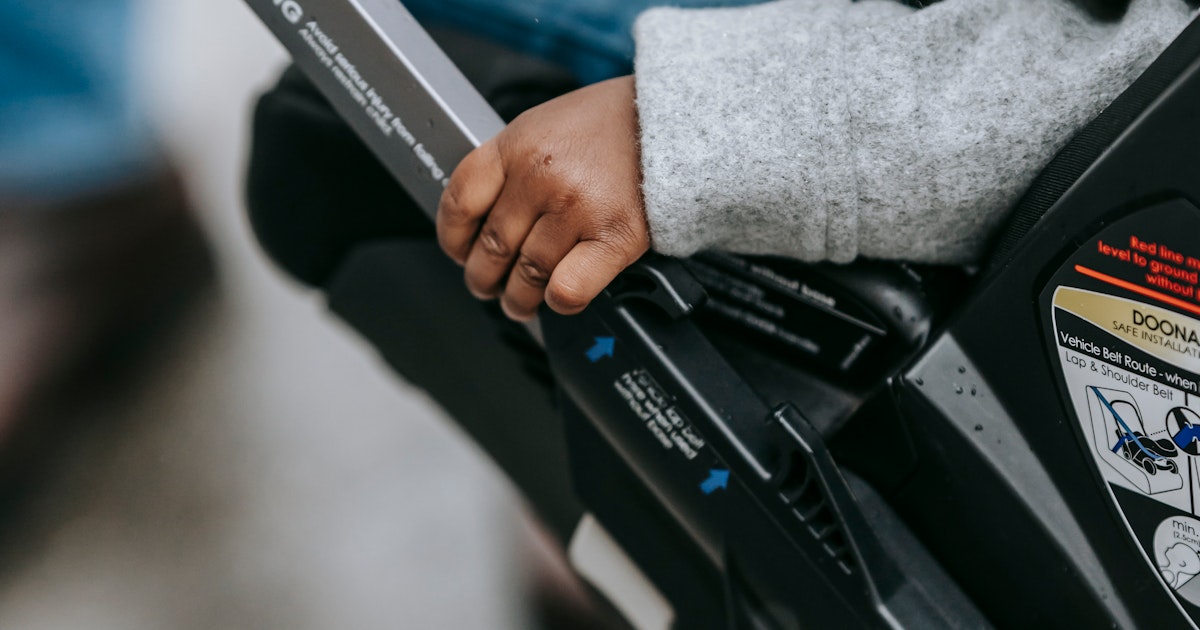
For at least the first six to twelve months, your child will ride in an infant car seat, and being able to click that seat directly onto the stroller frame eliminates the hassle of transferring a sleeping baby. Some strollers include a proprietary car seat as part of a travel system. Others sell adapters for popular car seat brands. Before purchasing, verify which adapters are available for your specific car seat model, because compatibility is not universal. Also confirm that the car seat attachment point secures firmly without wobble. A loose connection is not just annoying; it is a safety risk. If you have not yet purchased a car seat, buying a travel system bundle often saves money and guarantees a seamless fit.
Storage and Everyday Convenience
The under-seat basket is your on-the-go closet. Look for one that is accessible from the front or rear without tilting the seat, and that can hold at least fifteen pounds. A large zippered basket pocket keeps your phone and keys from sliding around. Cup holders, snack trays, and parent consoles are nice additions but should not be the deciding factor. Peek-a-boo windows in the canopy let you check on the child without stopping, and a magnetic closure is quieter than Velcro. An adjustable handlebar accommodates different caregiver heights and prevents wrist strain. These small conveniences compound over months of daily use.
Longevity and Weight Capacity
A stroller rated to fifty pounds can serve from birth through the preschool years if the seat reclines flat for newborn use or accepts a bassinet attachment. A thirty-five-pound limit, by contrast, means many children will outgrow it before age three. Check both the seat weight limit and the basket weight limit, because overloading the basket can affect stability. Fabric durability matters too: look for solution-dyed or stain-resistant polyester that withstands spills, sun exposure, and machine washing. Replaceable parts, especially wheels and foam grips, extend the usable life and improve resale value.
Our Top Picks
1. GlidePro Deluxe Travel System
The all-in-one solution for new parents who want one purchase to cover the first three years.
- Includes matched infant car seat with one-click frame attachment and anti-rebound bar
- Full recline with ventilated bassinet mode suitable from birth
- All-wheel suspension with twelve-inch rear air-filled tires for mixed terrain
Drawback: At thirty-two pounds, it is one of the heavier options and fills most sedan trunks completely. Price range: $380 -- $450
2. UrbanFold Compact
The city commuter stroller that fits in an overhead bin and folds in under two seconds.
- One-hand fold with automatic chassis lock and self-standing design
- Weighs just fourteen pounds yet supports children up to fifty pounds
- Narrow twenty-inch frame navigates store aisles and subway turnstiles
Drawback: Minimal under-seat storage and no car seat adapter included; sold separately. Price range: $250 -- $310
3. TrailRunner Jogging Elite
Built for parents whose morning run is non-negotiable.
- Fixed front wheel with manual swivel unlock for everyday steering
- Adjustable tracking alignment keeps the stroller running straight at pace
- Hand-activated drum brake for controlled downhill deceleration
Drawback: Three-wheel design and wide rear axle make tight indoor turns difficult. Price range: $320 -- $400
4. TwinRide Double
The tandem double that does not feel like pushing a bus.
- Stadium-style seating gives the rear child full visibility
- Independent recline on both seats with individual canopy extensions
- Compact fold that matches the footprint of many single full-size strollers
Drawback: Fifty-five-pound frame weight makes lifting into an SUV a two-person job. Price range: $420 -- $520
5. LiteStep Budget
Proof that safe, functional strollers exist well below the three-hundred-dollar mark.
- Five-point harness with one-pull tightening and ASTM F833 certification
- Decent sixty-five-degree recline and extendable UPF 50+ canopy
- Under eighteen pounds with a straightforward two-hand fold
Drawback: Plastic wheels limit it to smooth pavement, and there is no suspension system. Price range: $90 -- $130
How We Chose These
We evaluated over forty stroller configurations across five categories, tracking real-world performance data from controlled sidewalk, trail, gravel, and incline surfaces. Each stroller completed a fold-unfold cycle test of one hundred repetitions to check mechanism durability and ease. Harness engagement and brake reliability were tested under load at the maximum rated weight. We cross-referenced car seat adapter availability across the twelve most common infant seat models. Weight, folded dimensions, and basket capacity were measured independently rather than relying on manufacturer-reported figures. Finally, we factored in replacement part availability, warranty length, and average resale value to assess total cost of ownership across a three-year usage window.
Comparison Table
| Feature | GlidePro Deluxe | UrbanFold Compact | TrailRunner Elite | TwinRide Double | LiteStep Budget |
|---|---|---|---|---|---|
| Weight | 32 lbs | 14 lbs | 28 lbs | 55 lbs | 18 lbs |
| Max Child Weight | 50 lbs | 50 lbs | 50 lbs | 2 x 40 lbs | 45 lbs |
| Fold Type | Two-hand | One-hand | Two-hand | Two-hand | Two-hand |
| Self-Standing Fold | Yes | Yes | No | Yes | No |
| Car Seat Compatible | Included | Adapter sold separately | Adapter included | Adapter included (front) | No |
| Wheel Type | Air-filled | EVA foam | Air-filled | Foam-filled | Hard plastic |
| Suspension | All-wheel | Front only | All-wheel | Rear only | None |
| Price Range | $380--$450 | $250--$310 | $320--$400 | $420--$520 | $90--$130 |
Frequently Asked Questions
Most standard strollers require the child to have sufficient head and neck control, which typically occurs around six months. Before that milestone, you need either a travel system with an infant car seat attachment, a stroller with a fully flat bassinet mode approved for newborn use, or a carrycot accessory. Always check the manufacturer's minimum age and weight guidelines, because not every recline position qualifies as newborn-safe even if the seat lays flat.
If you run or jog even twice a week, a dedicated jogging stroller is the safer choice. Standard strollers lack the fixed front wheel, wrist tether, and hand brake needed for speeds above a brisk walk. Using a conventional stroller at jogging pace risks front-wheel shimmy and tipping. Some jogging strollers now include a swivel-lock on the front wheel, letting you toggle between jog mode and everyday steering, which makes them more versatile for mixed use.
Fold size determines whether the stroller fits your life between outings. Measure your trunk, your entryway closet, and any doorway the stroller must pass through while folded. A stroller that technically fits but requires you to remove wheels or angle it diagonally every time will frustrate you within a week. Compact-fold strollers that meet airline carry-on dimensions also tend to fit smaller car trunks, making them future-proof if you switch vehicles.
Not necessarily, but many families find a lightweight travel stroller invaluable. Your primary stroller may be too heavy or bulky to gate-check comfortably. A travel stroller under fifteen pounds with a shoulder carry strap can save significant hassle in airports and rental car situations. If your budget allows only one stroller, choose a model in the eighteen-to-twenty-two-pound range that balances daily features with travel portability.
A well-built stroller with a metal frame, quality fabric, and replaceable wheels can serve two or even three children if stored properly between uses. Air-filled tires may need new tubes, and foam handlebar grips may need replacing, but the frame and fold mechanism should endure. Budget strollers with all-plastic construction typically do not survive a second child without significant wear. If you plan to reuse the stroller, invest in the mid-range or above and keep the receipt for warranty claims.
Final Verdict
The right stroller depends on the life you are actually living, not the one you imagine. If you are a first-time parent wanting a single purchase that covers birth through toddlerhood, the GlidePro Deluxe Travel System offers the broadest capability and eliminates car seat compatibility guesswork. City dwellers who prioritize portability and public transit ease will find the UrbanFold Compact a game-changer for daily errands. Runners should not compromise on safety: the TrailRunner Jogging Elite is purpose-built for speed and control. Families with two young children get the best balance of size and maneuverability from the TwinRide Double. And if budget is the primary constraint, the LiteStep Budget proves you do not need to spend three hundred dollars to get a safe, functional stroller.
Think about your three most frequent outings, the size of your vehicle, and whether a second child is in the plan. Those three inputs will narrow this list to one or two options fast. A stroller is a tool, and the best tool is the one you actually enjoy using every day.
Learn how we evaluate products in this category: Our Parenting Testing Methodology
About the author
Chief Editor
The Nanozon Insights team researches, tests, and reviews products across every category to help you make smarter buying decisions.